Skip to content

Ages 3 to 5

First Explorations

In First Explorations, for ages 3 to 5, play, nature, the body, relationships and different forms of expression are the main territory for discovery.

We believe childhood has value in its own right. It is not simply preparation for what comes next, but a whole stage of life, with its own needs, rhythms, relationships and experiences that deserve to be lived fully.

That is why we create time and space to play, explore, repeat, imagine, experiment, build relationships and discover the world through each child's curiosity.

Learning journeys

Adventurers · Ages 3–4

A time to build security, connection and autonomy

At this stage, many children are still building confidence outside the family, discovering the group and learning to recognise and communicate their needs.

Our focus is therefore on emotional security, relationships with trusted adults, social and emotional development, and autonomy in the small things of everyday life.

Through play, the body, movement and relationships, we help each child gain confidence to explore, make choices, ask for help, wait, negotiate, handle frustration and find their place in the group.

We allow time to observe, repeat, experiment and try again. We respect different rhythms and aim to create an environment secure enough for each child to feel ready to discover the world around them.

At this stage, small achievements have enormous significance: saying goodbye to family with confidence, asking for what they need, dressing more independently, joining a game, setting a boundary, repairing a conflict or finding an adult when they need a cuddle.

We want every Adventurer to feel truly safe, known and included. Curiosity, autonomy and the desire to explore grow from that foundation.

Who accompanies the Adventurers

The group is accompanied daily by trusted adults who know each child closely and build a relationship of trust with them and their family through time, presence and affection.

At SER, we believe learning happens through relationships. Knowing who is with your child every day is therefore as important as knowing what they will do.

Meet the team
Explorers · Ages 4–5

A time to deepen curiosity, relationships and autonomy

At this stage, children have a greater capacity to sustain interests, take part in group decisions, develop longer projects and seek answers to increasingly complex questions.

Play remains central but takes on new layers: richer stories emerge, alongside a greater capacity for cooperation, negotiation, planning and building together.

Our focus is on deepening curiosity, strengthening autonomy, broadening forms of expression and making room for children's increasingly conscious participation in community life.

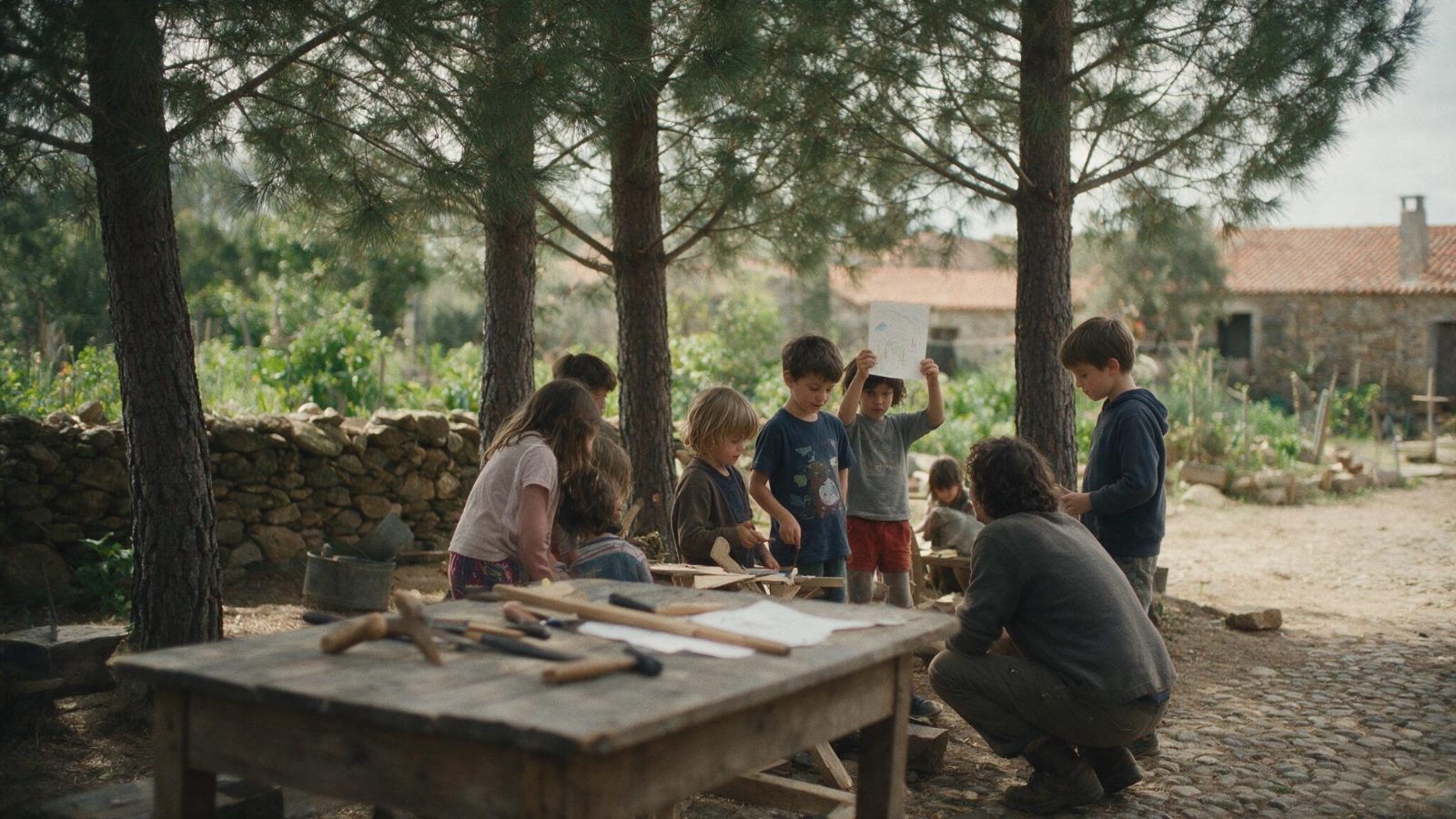
Through projects, investigation, nature, materials, conversations and practical experiences, we help children form hypotheses, represent ideas, solve problems, reason, try different solutions and build knowledge from what they experience.

Many foundations for future learning also begin to consolidate. Language, awareness of sounds, contact with writing, numbers, quantities, measurements, patterns, logical reasoning, attention and fine motor skills emerge naturally in everyday life: in a story, recipe, construction, game, question or project.

We do not try to bring stages forward. We create rich, meaningful experiences that allow these skills to grow together, respecting each child's pace.

Relationships become more complex too. Children develop greater awareness of themselves and others, begin to understand different perspectives and find increasingly independent ways to handle conflict, frustration, boundaries and responsibilities.

We want every Explorer to reach the next stage with curiosity, confidence, autonomy, critical thinking and a desire to learn.

Who accompanies the Explorers

The group is accompanied daily by trusted adults who know each child closely and support their journey with presence, listening and purpose.

At SER, we believe adults should not provide every answer, but create the conditions for children to ask better questions, test ideas, persist and discover for themselves.

Meet the team

How we experience this stage

Playing to understand the world

Through play, children imagine, experiment, solve problems, negotiate, build relationships and make sense of their experiences. At SER, we recognise play as a setting where cognitive, social, emotional and motor skills develop together.

Nature every day

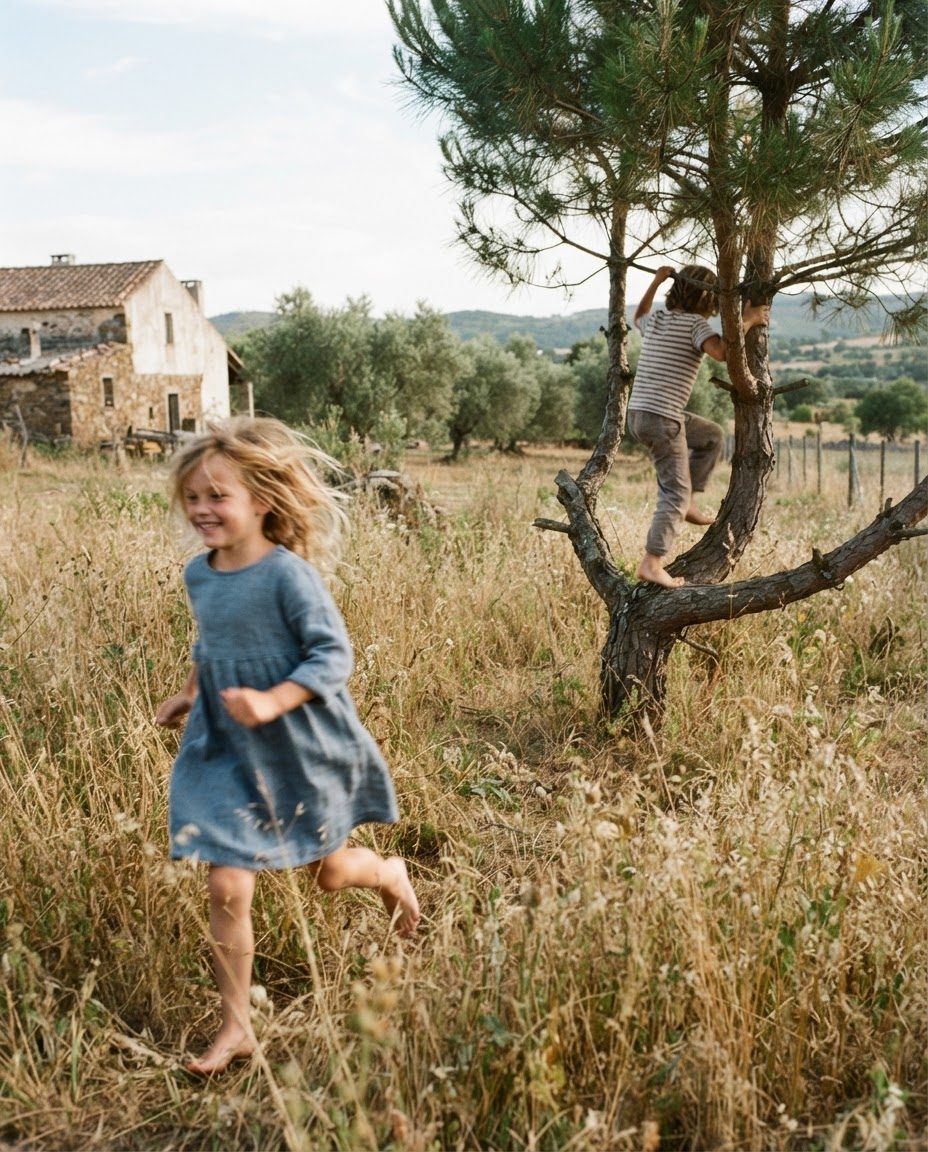
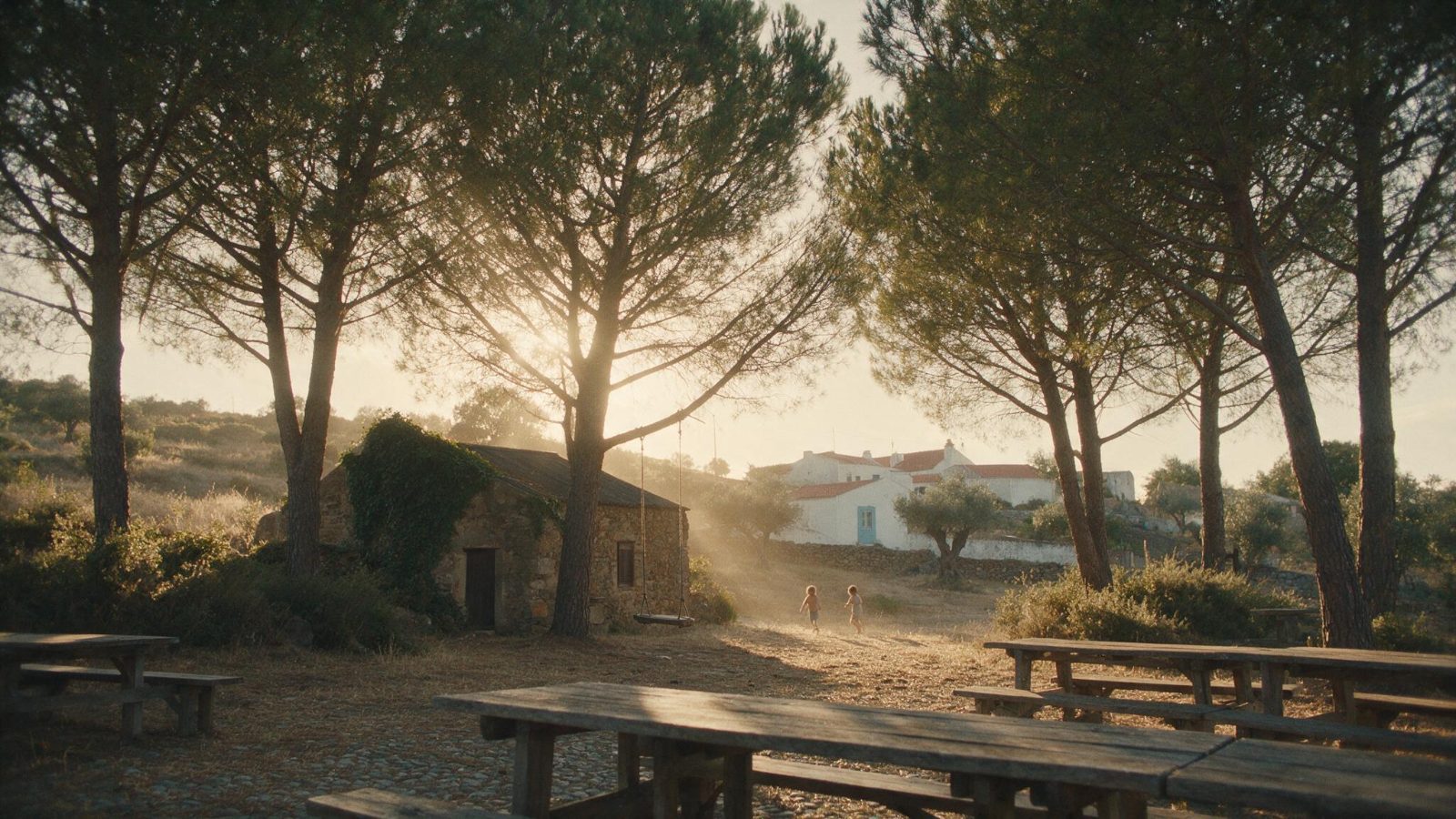
Nature is part of daily life and learning. It offers space for movement, discovery, risk, observation, curiosity and connection with the living world.

Body, identity and freedom

Here, children can go barefoot, get muddy or wet, and explore without worrying about spoiling their clothes. We do not use uniform smocks: we value each child's identity and believe the body should be fully involved in the experience.

Relationships and social and emotional skills

Learning to be with others, recognise emotions, set boundaries, handle frustration, repair conflicts and build friendships are essential at this stage.

Autonomy

We make room to choose, try, make mistakes, repeat and take on small responsibilities. Autonomy develops gradually in an environment of safety and trust.

Different forms of expression

Drawing, painting, clay, music, movement, construction, storytelling and natural materials offer different ways to investigate, communicate ideas and understand the world.

What defines First Explorations

Small groups

We work with small groups so we can truly know each child, follow their journey closely and respond more attentively to their needs, interests and rhythms.

Gradual settling in

Joining SER takes time. We respect each child's rhythm and value the family's presence for as long as needed to build secure bonds with the adults, the space and the group.

Families are present

Families do not stop at the door. They are part of the community and their child's educational journey, through a close, transparent and trusting relationship with the team.

Close support

We observe each child's development as a whole: emotional, social, motor and cognitive. We seek to understand not just what they do, but how they feel, relate to others and participate.

Still have questions?

How does settling in work?

Settling in is gradual and respects the pace of each child and family. New families arrive progressively, rather than all children starting at once, so the team can give each arrival more attention. Whenever possible, we leave a few days between new arrivals.

Can families stay on site?

Yes. At SER, families do not stop at the door. In the first days, they can stay as long as they feel necessary, accompanying their child until there is enough security and trust for a calm separation. We set no rigid deadline: each child and family has their own pace.

Are there adult-led activities?

Yes. Trusted adults offer guided activities and moments, alongside workshops led by other team members and tutors, bringing different knowledge, forms of expression and experiences into children's daily lives. We do not organise the day around a succession of compulsory activities. We balance free play, projects, intentional proposals, workshops, group time and independent exploration, respecting each child's interests, rhythms and ways of participating.

How much time do children spend outdoors?

Nature is part of daily life all year round, not just in good weather. Rain, cold, wind and mud are also part of the experience. We believe there is no bad weather, only unsuitable clothing, so we ask families to provide clothes and footwear appropriate for the season. Meals, workshops, play, projects, investigations, movement and gatherings all happen outdoors.

How do you handle conflict and challenging behaviour?

We do not punish or shout. We accompany conflicts with presence and respectful communication, helping each child recognise emotions, communicate needs, set boundaries and repair relationships. Adults maintain clear limits while seeking to understand what lies behind the behaviour and teach alternatives.

How do you follow each child's development?

Through daily observation, close relationships and documentation of each child's journey. We consider development as a whole: cognitive, emotional, social, motor and relational. Our multidisciplinary team meets regularly to share observations, reflect on each child and adjust support strategies when needed. We also communicate closely and continuously with families about what we observe.

What happens if a child does not want to join an activity?

First, we try to understand why. Not all children need to participate in the same way or at the same time. We may invite, adapt, allow time to observe or help the child find another way to engage. Participation is not built through imposition, but that does not mean an absence of guidance or boundaries.

How do you support the transition to Year 1?

The transition is gradual and natural. Throughout First Explorations, children develop foundations for future learning through play, projects and everyday life. There is also close coordination with the Year 1 group and tutor, with shared moments and activities. Starting Year 1 becomes a continuation of their experience within the community rather than a break.

How do the Adventurers and Explorers groups work?

First Explorations has two groups: Adventurers, ages 3 to 4, and Explorers, ages 4 to 5. These ages are a guide: chronological age or the point at which a child joins during the school year does not determine their group on its own. Placement considers development, autonomy, relationship needs, interests and how the child engages with the group. Adventurers focus more on emotional security, connection, the body and emerging autonomy; Explorers deepen curiosity, projects, participation and the skills that support future learning.

Come and get to know SER.

Discover the space, the team and community life. We are here to talk about your family's journey.

Privacy preferences

This site works without optional services. Google Maps, the Tally form and Vercel performance measurement only load with your permission.

You can change or withdraw permission at any time using the footer. Closing this panel does not change your choice.

Privacy policy · Cookie policy