Projects and investigation
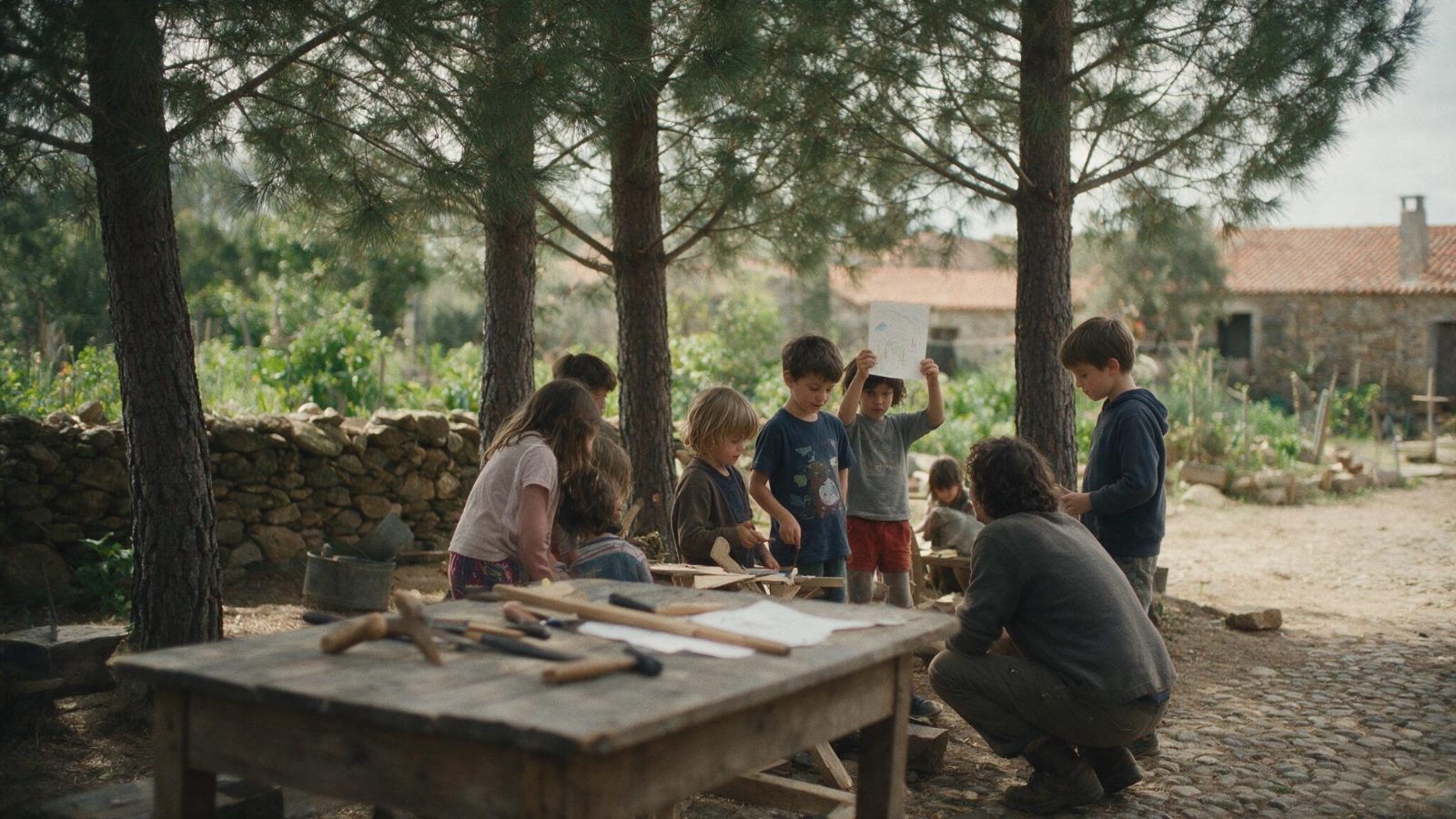
Children's questions, group interests, world events or a practical need can spark projects across different areas. Investigating, testing, building, recording, revising and sharing are all part of the process.
Our approach
At SER, we seek to make learning meaningful for the learner. We start from children's curiosity, questions, interests and experiences, connecting knowledge with what they live, observe and want to understand.
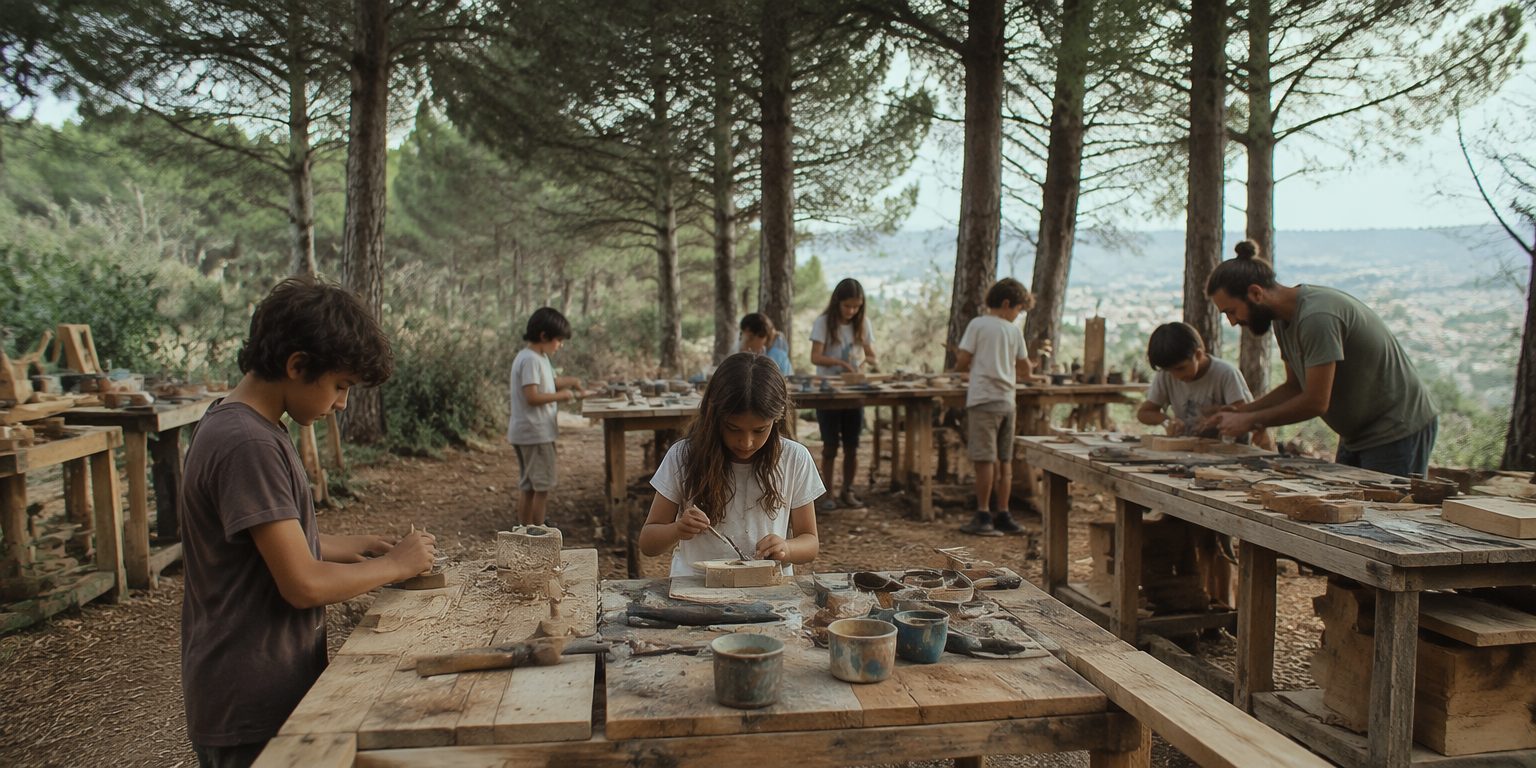
We believe learning is more than memorising content. It means connecting ideas, experimenting, investigating, solving problems, creating, talking, testing hypotheses and building meaning.
Children do not all learn in the same way, at the same pace or along the same paths. We adapt activities, challenges and support, respecting each starting point and creating conditions for progress.
During the school years, the curriculum and essential learning outcomes guide the journey, while we connect them with real life, children's interests, projects and questions emerging in the community.
We want learning to extend beyond a worksheet, a subject or a particular moment, so it can help children understand the world, act upon it and keep asking new questions.
Children's questions, group interests, world events or a practical need can spark projects across different areas. Investigating, testing, building, recording, revising and sharing are all part of the process.
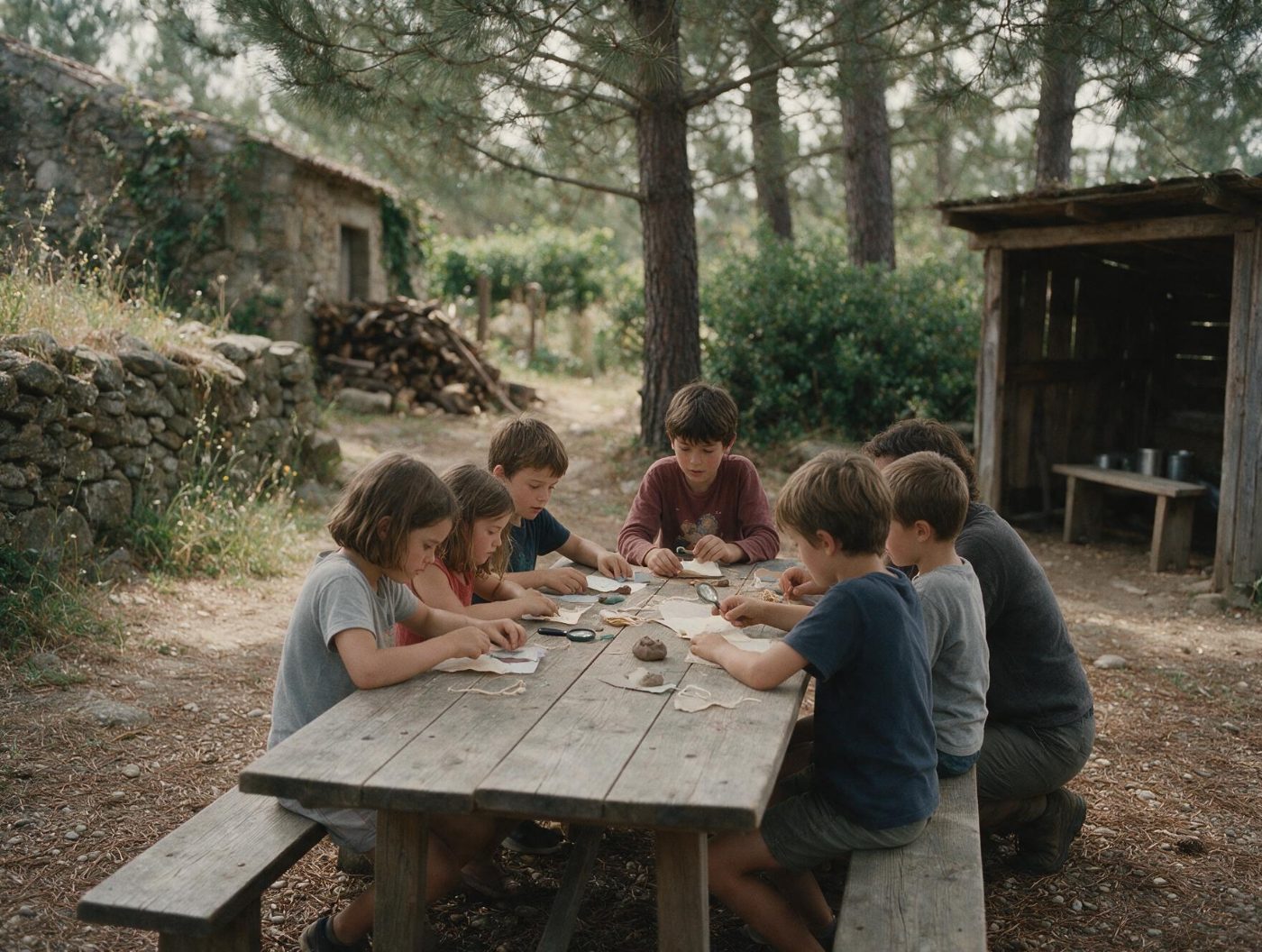
During the school years, tutorials allow specific areas to be explored in small groups, with room to explain, question, practise, investigate and adapt the challenge to each child's journey.
Learning also means doing. Workshops offer opportunities to explore materials, techniques and different forms of expression, develop practical skills and encounter art, science, construction, nature, cooking or technology.
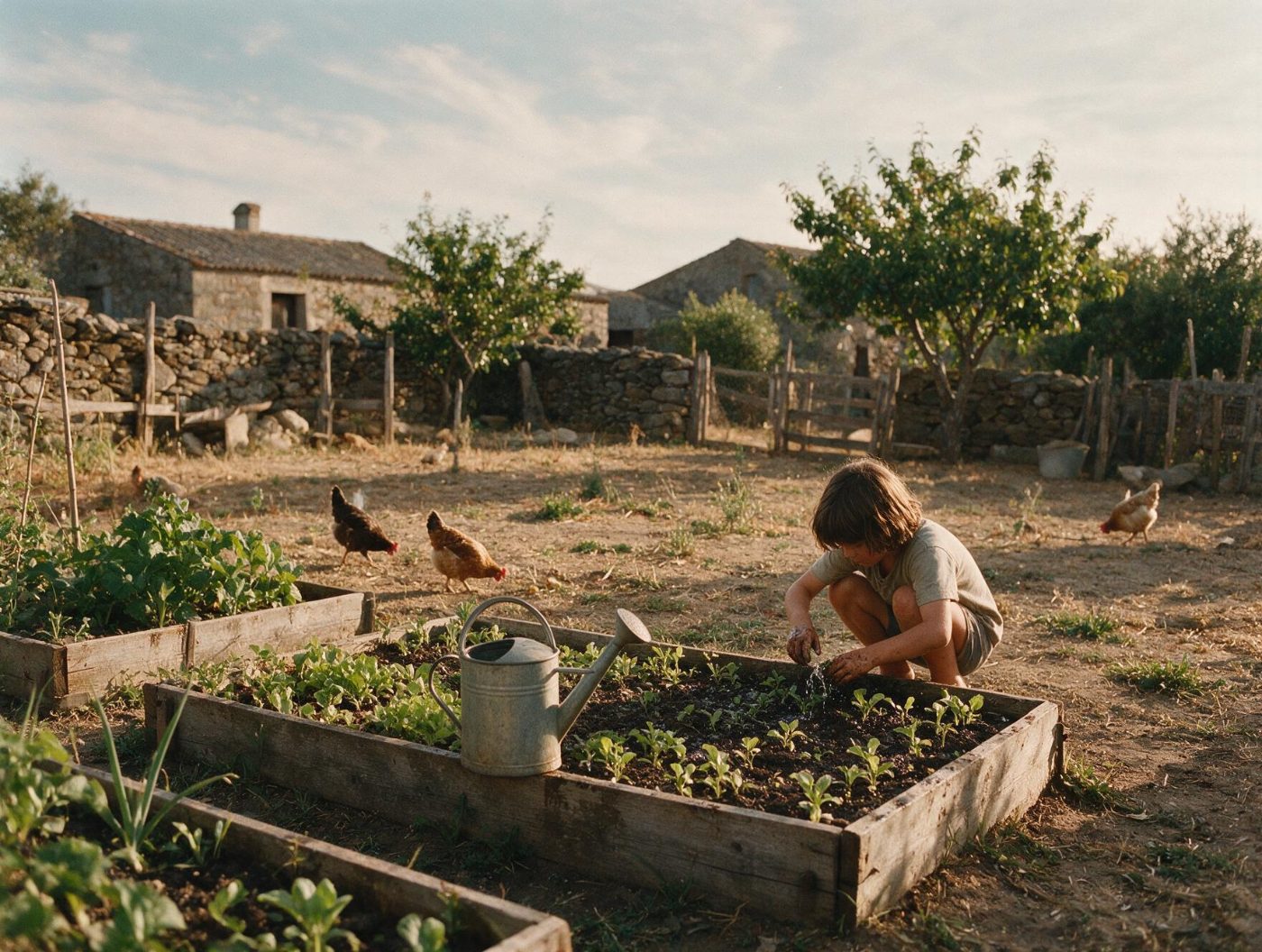
Nature is more than scenery. It is a setting for observation, movement, investigation, discovery and connection with the living world. Much learning happens outdoors, on visits, outings and in real-life settings.
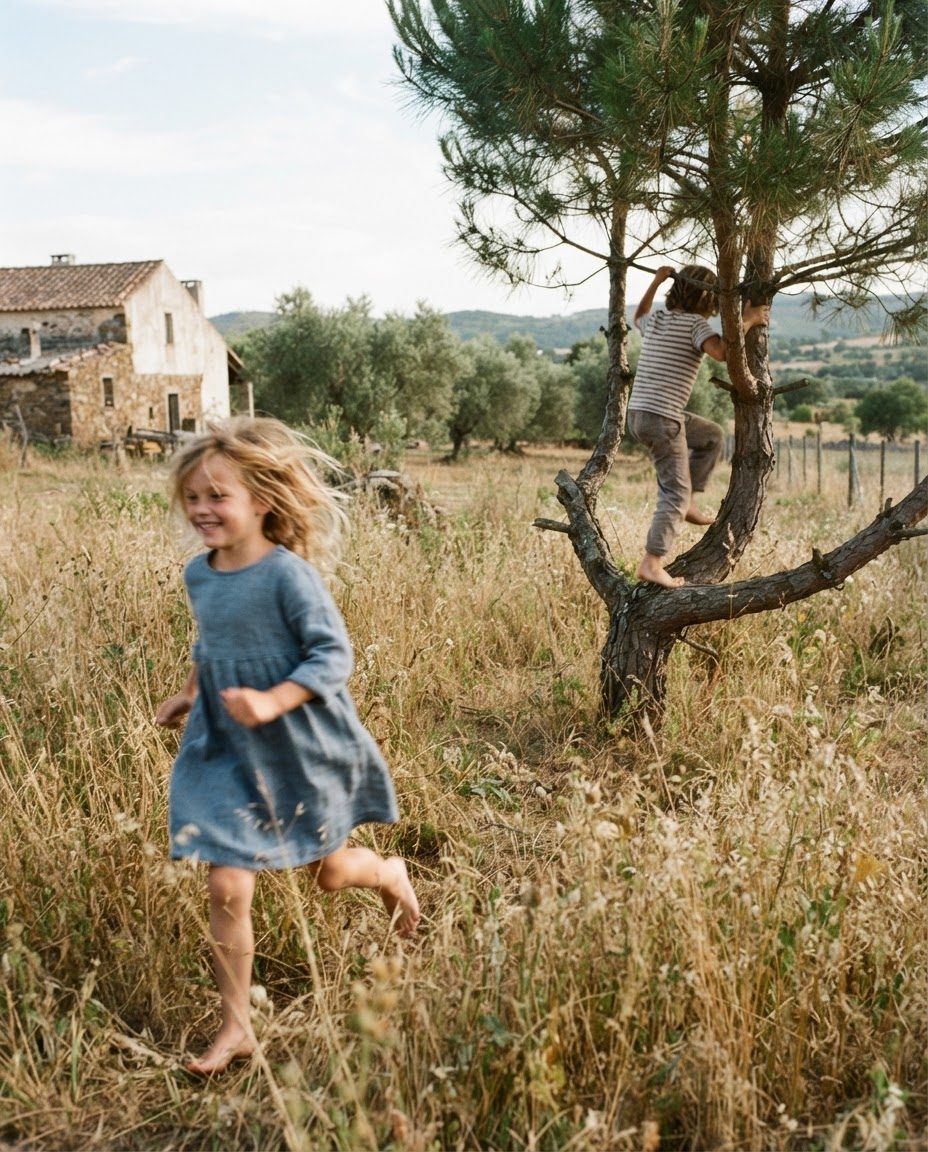
Even as they grow older, children continue to learn through action. Playing, building, handling materials, testing and repeating help them understand ideas, develop skills and make learning more concrete.
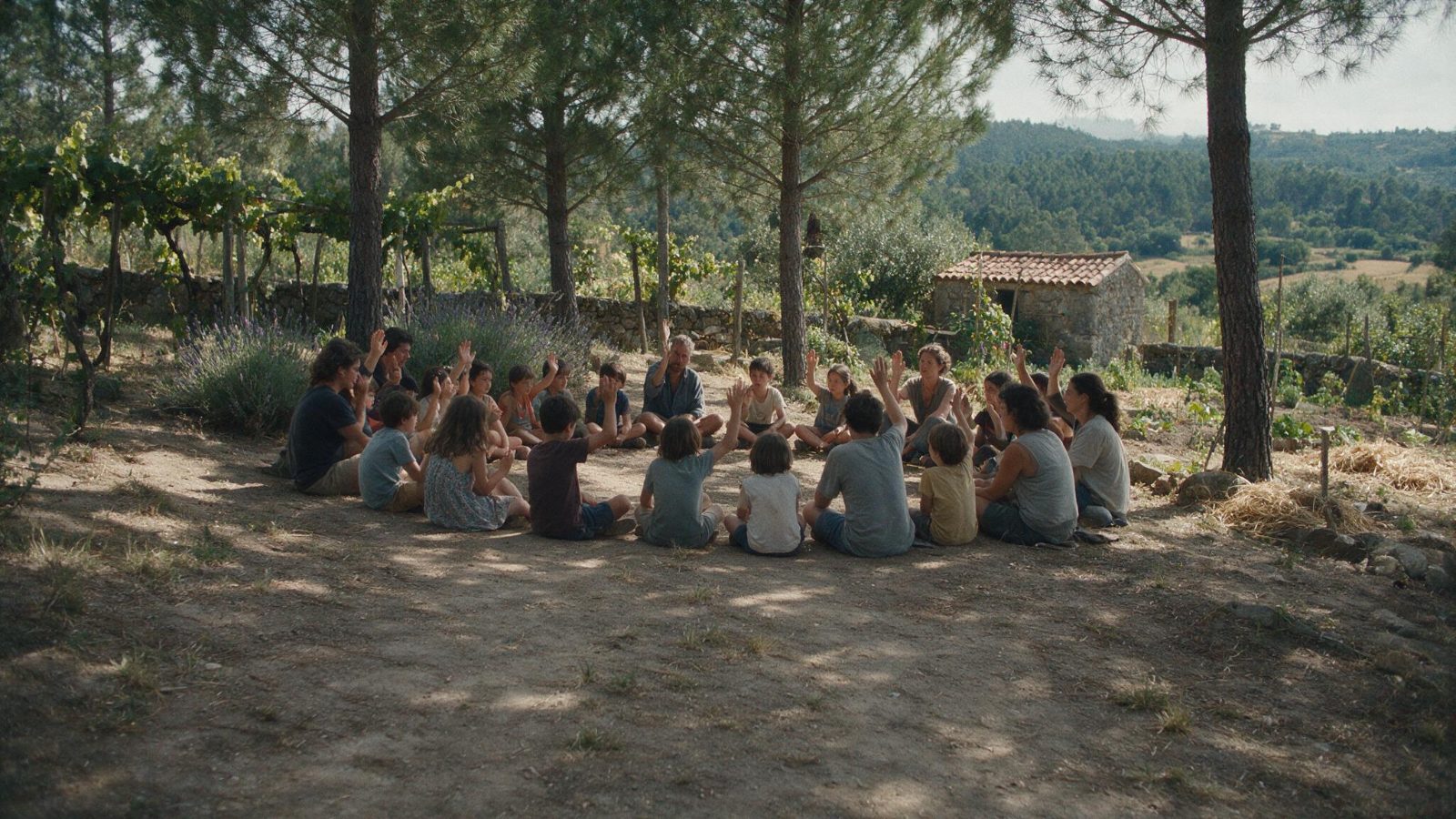
Drawing, writing, speech, music, movement, construction, images, technology and varied materials are ways to think, communicate and represent what is learned.
Projects can begin with a question, a curiosity, an experience, something happening in the community or a challenge proposed by an adult.
Along the way, children observe, explore, experiment, build, represent ideas, talk, ask questions and seek answers.
As children grow, projects can become longer, more complex and more independent, crossing areas of knowledge and forms of expression.
Adults accompany, listen, document and offer new challenges, helping projects grow without taking away the joy of discovery.
Workshops and ateliers create opportunities to learn through experience, the body, materials and making.
They span artistic expression, body and movement, languages, science, technology and multimedia, enabling experimentation, creativity, investigation and new skills.
Some activities happen regularly; others emerge during the year alongside projects, children's interests and the life of the community.
At SER, learning does not stay within a classroom. Nature, outdoor space and real-life settings are part of everyday life.
These are places to observe, explore, measure, compare, question, experiment and connect learning with the surrounding world.
As children grow, outings, visits and community experiences broaden those settings, making learning more concrete and connected with life and the local area.
Children do not all learn in the same way, at the same pace or through the same paths.
At SER, we observe where each child is, understand what they need and adjust activities, time and challenges.
That can mean allowing more time, repeating, trying differently, providing more support or deepening learning that is already secure.
The aim is not for everyone to move forward together, but for each child to keep progressing with confidence and purpose.
Making mistakes is part of learning.
At SER, we want children to experiment, test ideas, understand what did not work and try another way without fear of failure.
Mistakes offer information: they help children understand the process, adjust strategies and develop persistence, flexibility and confidence.
We want children to learn to keep going, even when the answer does not come the first time.
Learning also happens through relationships with others.
At SER, children talk, collaborate, observe different ways of thinking, share ideas, help one another and learn to build together.
Contact with children of different ages and several adults broadens perspectives and creates opportunities to explain, listen, negotiate, reason and reconsider ideas.
Learning with others also means learning to participate, cooperate and recognise that knowledge is often built through relationships.
At SER, documentation makes visible what a final result often cannot show: questions, attempts, strategies, discoveries and each child's development.
Through observations, records, work and portfolios, we follow the journey continuously, seeking to understand not only what a child learned but how they got there.
Documentation helps the team reflect and adjust activities, helps children recognise their own progress and brings families closer to the learning process.
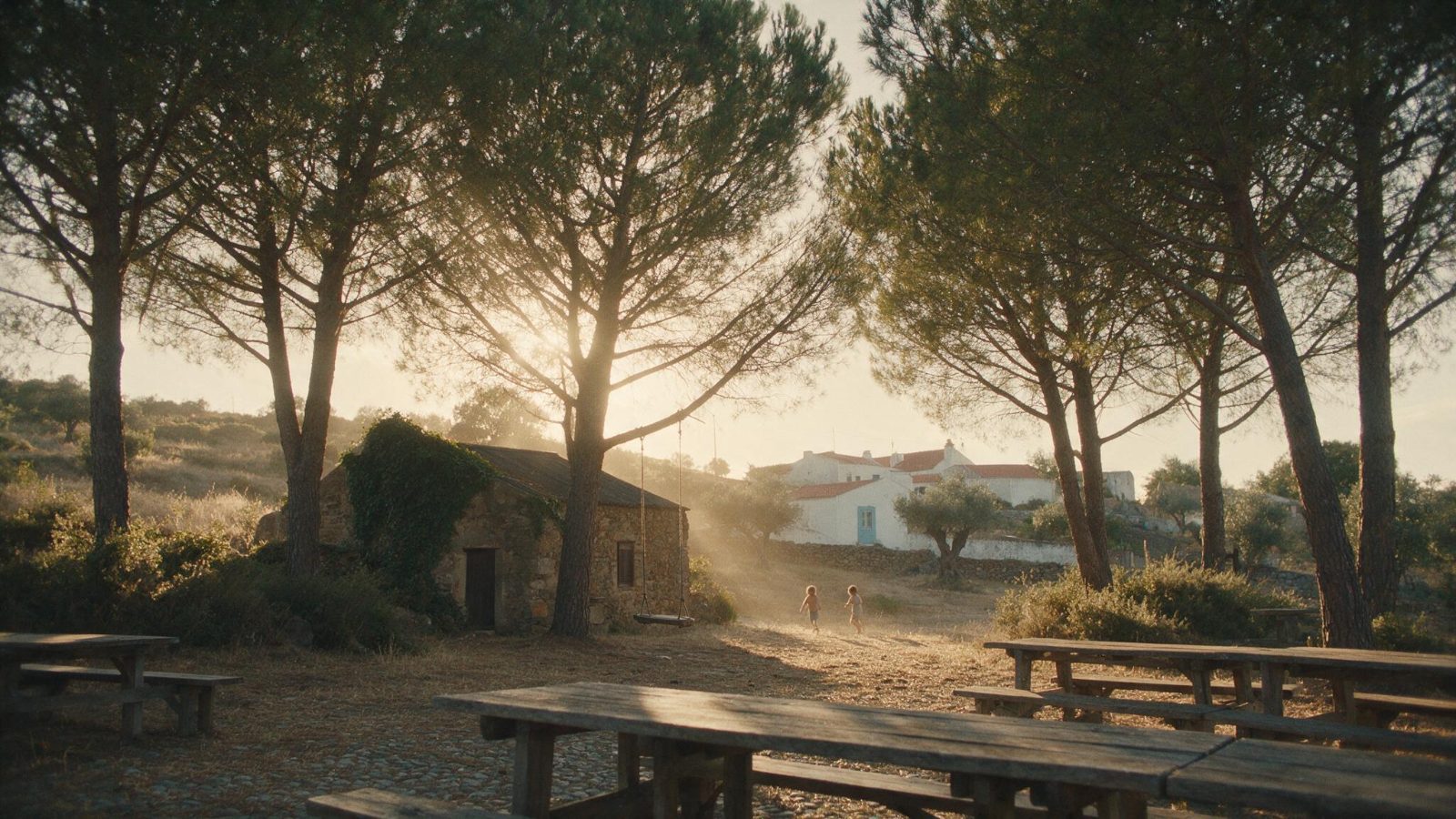
Discover the space, the team and community life. We are here to talk about your family's journey.