


Our everyday life
Life at SER
At SER, children are active members of the community from day one.
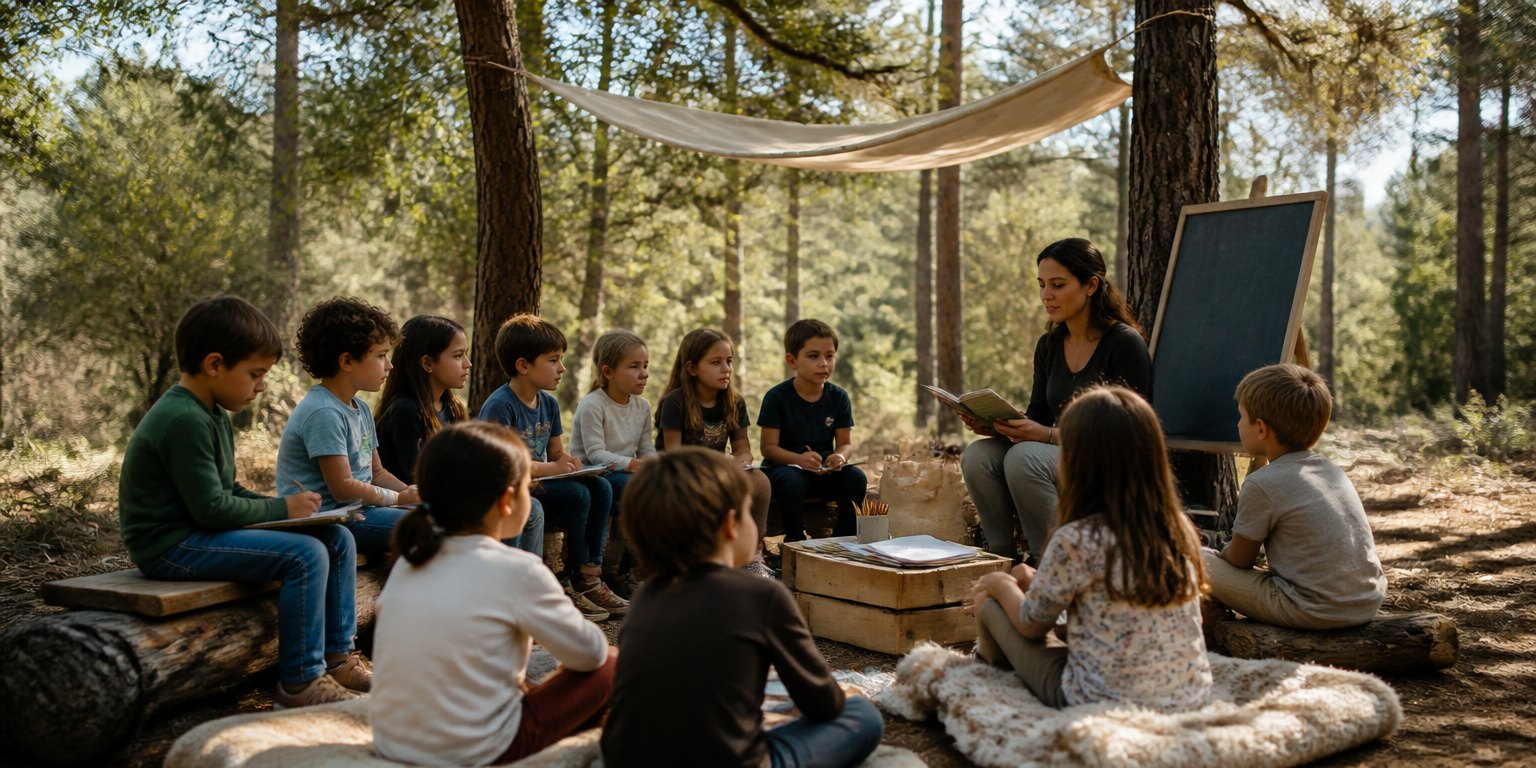
They take part in decisions that concern them, assume individual and shared responsibilities, and care for their materials, spaces, nature and community life.
Autonomy starts early in small daily actions: choosing, organising, collaborating, asking for help, solving problems, caring for personal belongings and contributing to shared things. Responsibility and participation grow with the children.
The day includes learning, play, work, meals, outdoor time, conversations, conflicts, assemblies, tasks and encounters between children of different ages.
We want every child to feel they belong at SER and have a role: their voice counts, their choices matter, and community life means caring, collaborating and contributing.
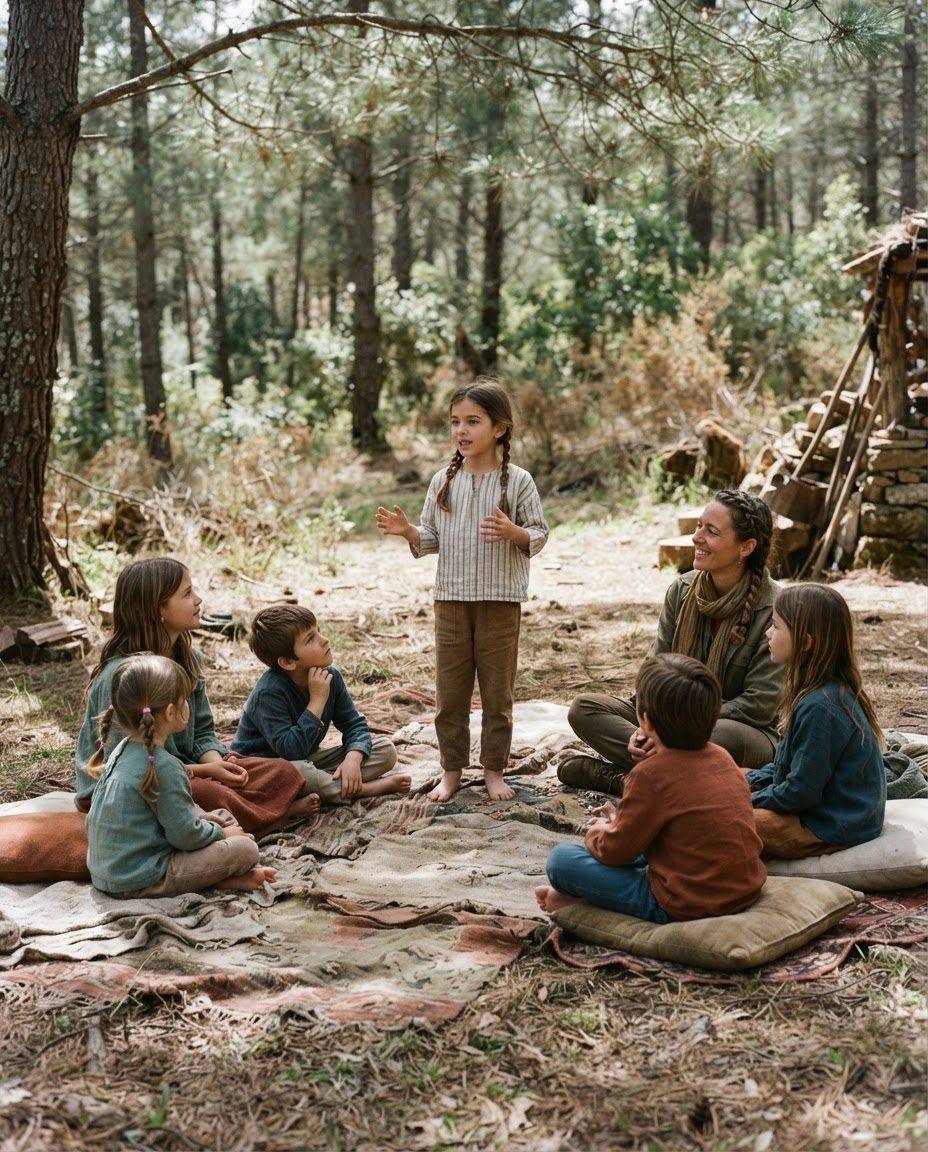
Assemblies and participation
At SER, children have a voice and take an active part in community life.
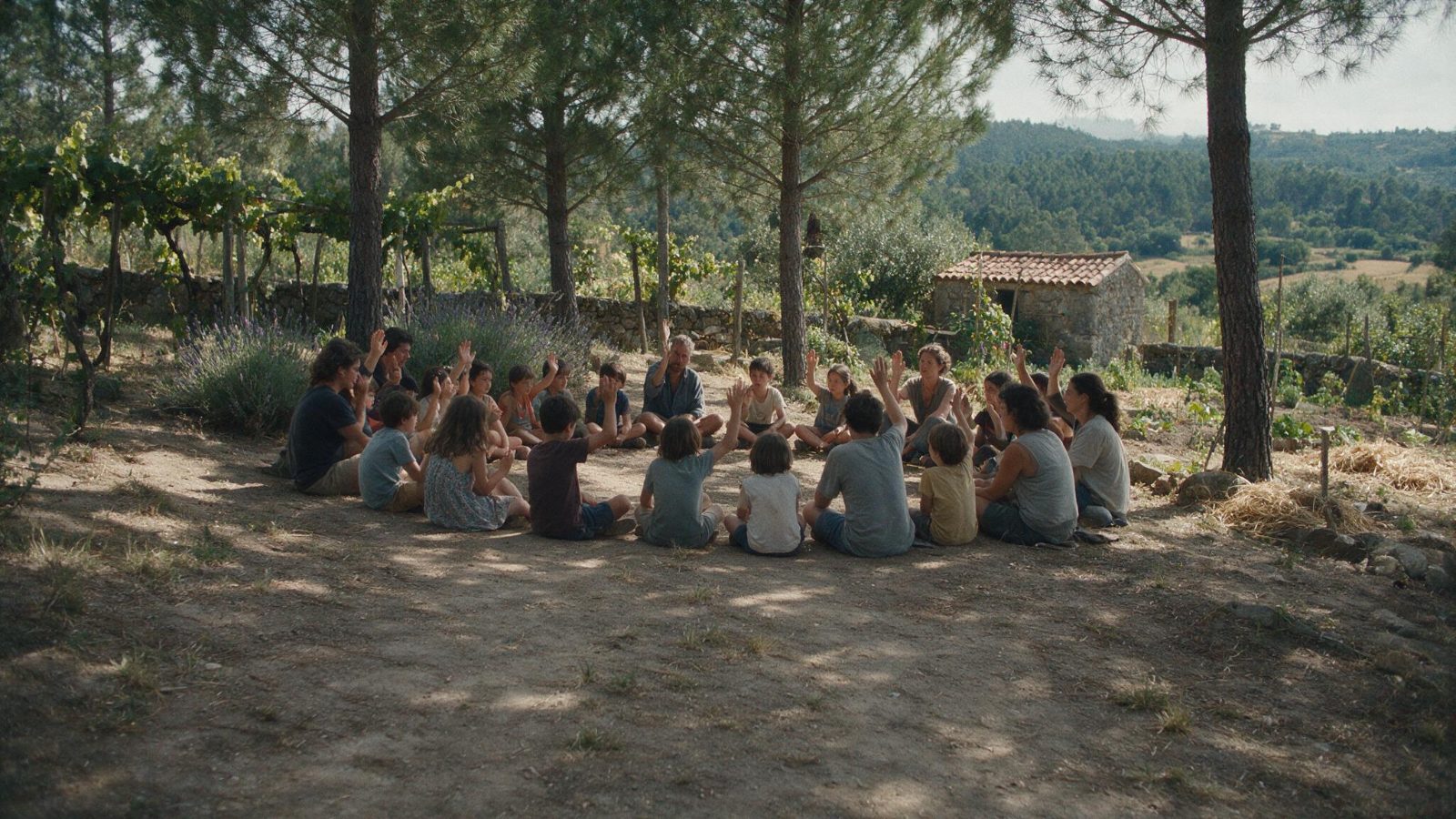
Assemblies offer time to raise topics, share ideas, bring problems, hear different perspectives and seek solutions together.
Children do not make every decision, but wherever it makes sense, they are genuinely involved. They can propose changes, make commitments, organise initiatives and participate in decisions affecting the group.
In practice, they learn to listen, reason, wait their turn, disagree respectfully and understand how our choices affect others in a community.
A day at SER
Days at SER have a reassuring structure, but are not organised as a rigid succession of activities.
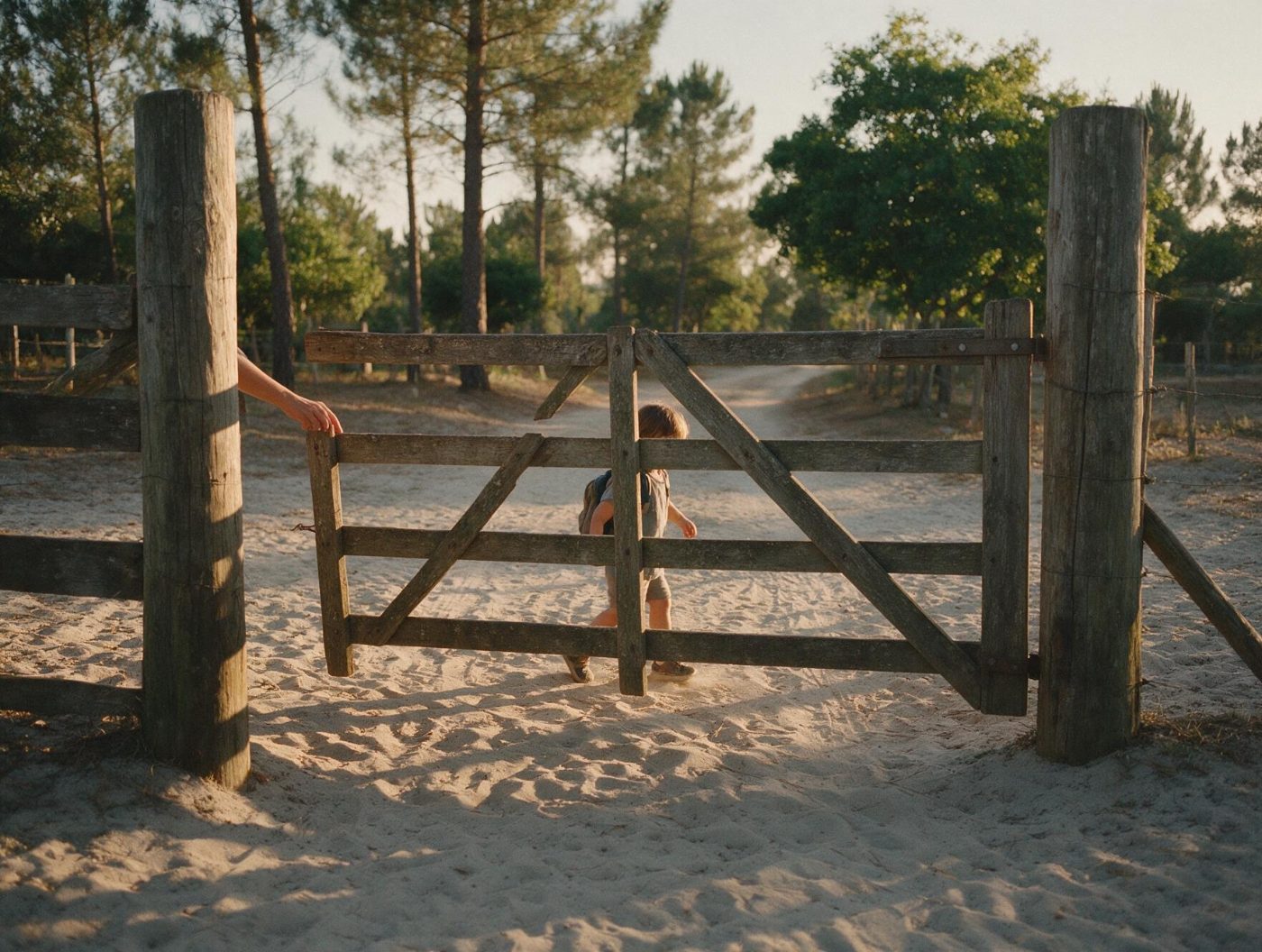
The day begins with a thoughtful welcome, mostly outdoors. There is time to arrive calmly, breathe, observe, meet friends and trusted adults. Each child moves from family life into the community at their own pace.
The fruit circle is an important morning moment: a time to meet, share and listen, discuss what is happening, raise topics and questions, and make room for children's voices.
Throughout the day, play, tutorials, projects, workshops, outdoor activities and freer time alternate within a structure adapted to the group and the moment.
Lunch is also a time for relationships. Children eat in groups, mostly outdoors, in a calm atmosphere with their trusted adults. We aim for a close, peaceful experience, like a family around the table: eating, talking, listening and being together.
There is room to learn, play, talk, rest and even be bored. We do not try to fill every moment: less directed time can give rise to new games, ideas, initiatives and ways of being.
Nature in everyday life
At SER, the outdoors is part of the day all year round.
Children play, learn, eat, explore, talk and develop projects outdoors, in close contact with nature.
Rain, cold, wind, mud and heat are part of the experience rather than obstacles. With suitable clothing and footwear, the outdoors remains a place for movement, discovery and learning.
Nature also matters for emotional regulation. Movement, space, fresh air and the chance to step away briefly from an intense situation help many children regain calm and balance.
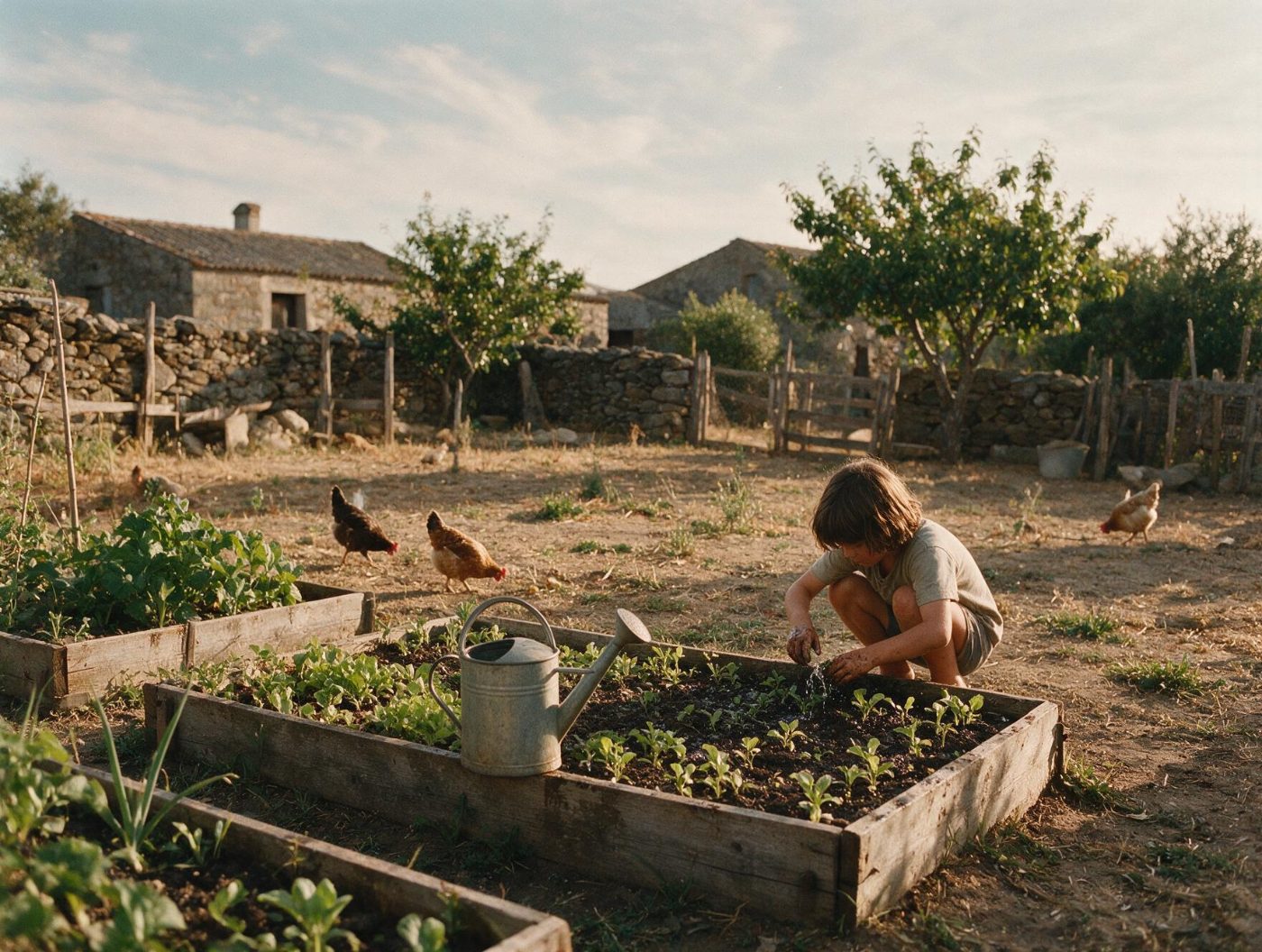
Being in nature also means learning to care: observing without destroying, respecting living things, helping care for animals and understanding that the places we inhabit depend on how we treat them.
Relationships and living together
Community life means learning to be with others.
At SER, children spend time with peers of different ages every day, build friendships, collaborate, help one another, disagree, negotiate and recognise different perspectives.
Conflicts are part of that process. We do not try to avoid them at all costs, but accompany them with presence, helping children communicate feelings, set boundaries, listen and find ways to repair relationships when needed.
Adults intervene respectfully and firmly, without punishment or shouting, seeking to understand what lies behind behaviour and teach alternatives.
Over time, we want children to develop more resources for handling frustration, conflict, cooperation and belonging to the group.
Growing among different ages
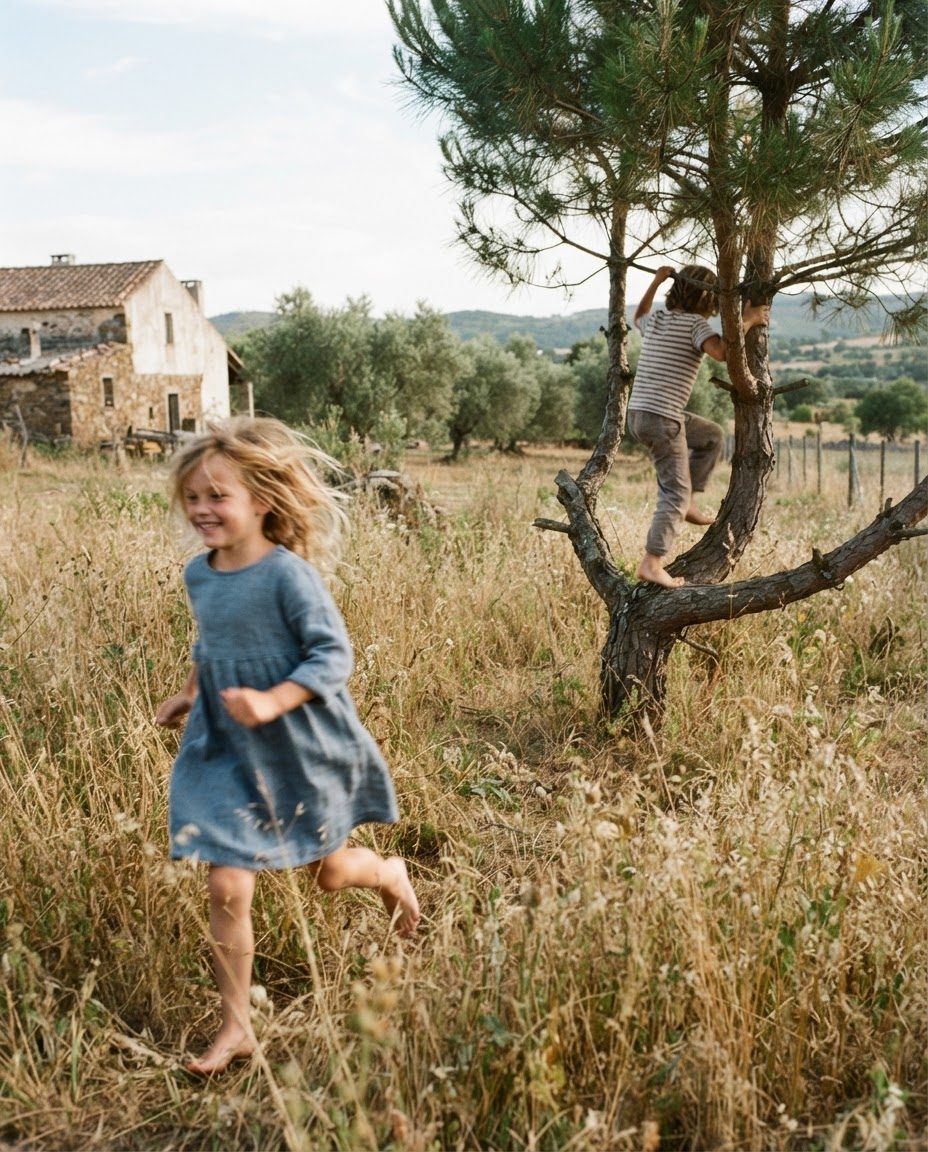
At SER, children of different ages share spaces, moments and experiences throughout the day.
This creates natural learning opportunities: younger children observe, imitate and ask for help; older children explain, support, take responsibility and learn to care for others.
Children do not all do the same things or need to remain separated by age. Wherever it makes sense, groups, activities and moments of community life overlap.
These relationships help build a community less centred on age and closer to real life, where everyone can learn from those with more experience, share what they know and find different ways to participate.
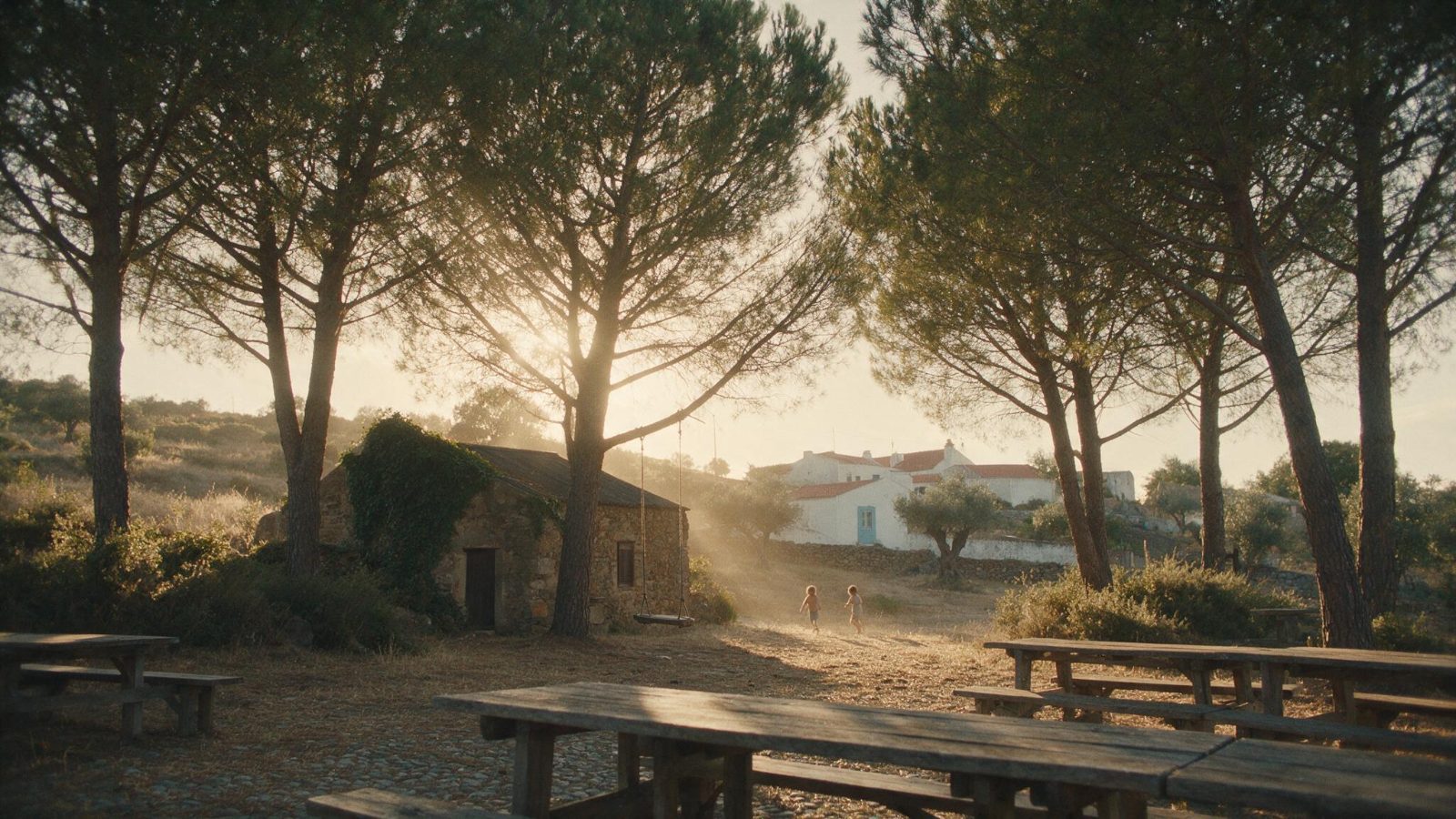
Come and get to know SER.
Discover the space, the team and community life. We are here to talk about your family's journey.